

Frozen Food Cartons
Frozen food boxes use moisture-resistant coated paperboard engineered for freezer storage, condensation resistance and food-safe contact from freezer to oven.
Starting at
$0.15/ unit
Wholesale pricing. Final price depends on size, material, quantity & finish.
Product Overview
Frozen food cartons are engineered to survive the freezer aisle, where condensation, low temperatures and ice crystals quickly break down ordinary board. Packlic builds these cartons on moisture-resistant coated paperboard, typically clay-coated SBS with a poly or aqueous barrier that resists the damp of frozen storage and stops the pack from softening or delaminating. The result is a carton that holds its shape and graphics through freezing, handling and thawing, with food-safe surfaces suited to direct contact with wrapped or bagged product. For ready-meals and heat-in-the-box lines we can specify freezer-to-oven grades that tolerate oven temperatures, so the same carton moves from cold storage straight into cooking without repacking.
- Moisture-resistant coated board
- Withstands freezer condensation
- Food-safe contact surfaces
- Freezer-to-oven grades available
- Holds graphics when frozen
Build specification
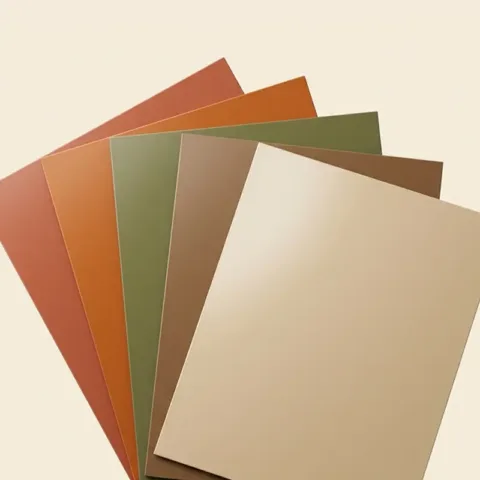
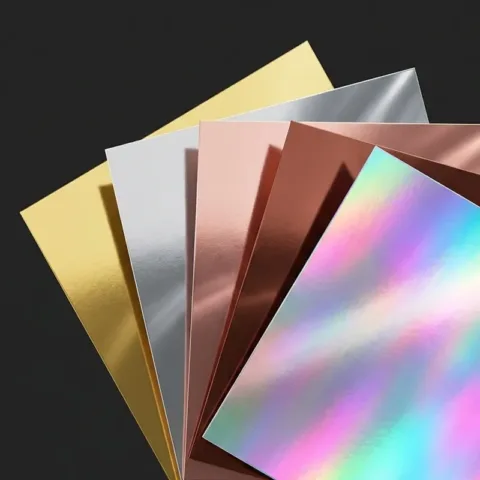
We match the material to the job, drawing on six grades of board: Kraft, Corrugated, Coated Art Board (C1S), Rigid Greyboard, Solid Bleached Sulfate (SBS), and Metallic. Together they span the whole range, kraft for eco-minded artisan brands, heavy greyboard for luxury rigid boxes, and bright SBS for cosmetics, pharmaceutical, and high-end retail packaging. A small business chasing affordable corrugated mailers and a premium label after the weighty snap of a magnetic-closure box draw from the same FSC-certified supply, chosen to look right on shelf, survive transit, and impress at the moment of unboxing.
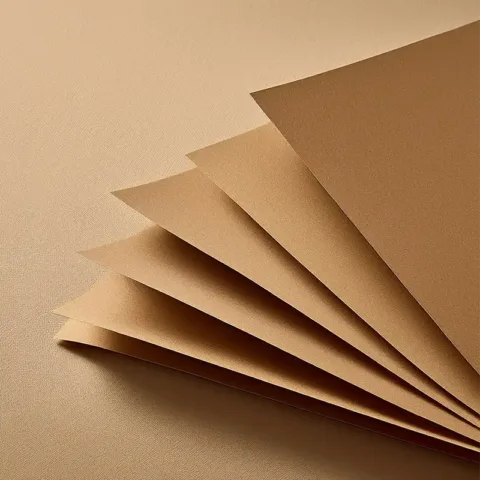
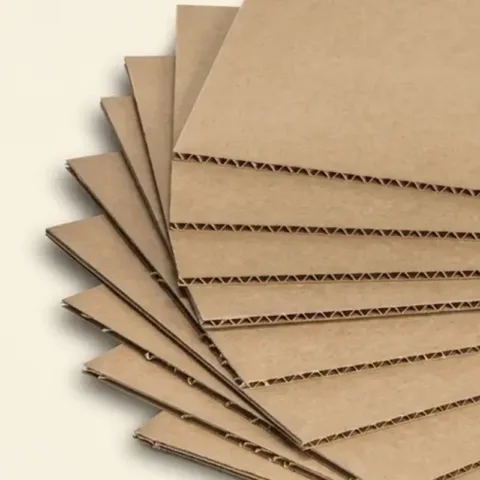
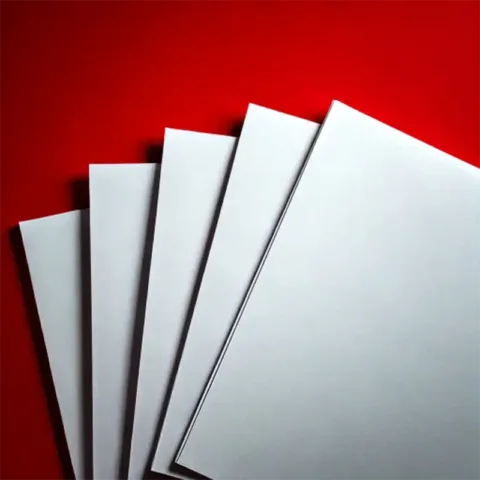
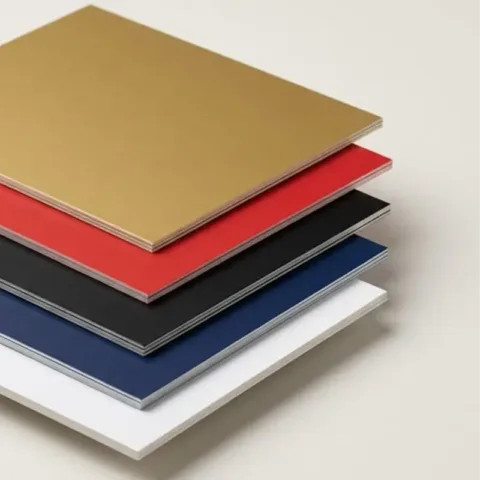
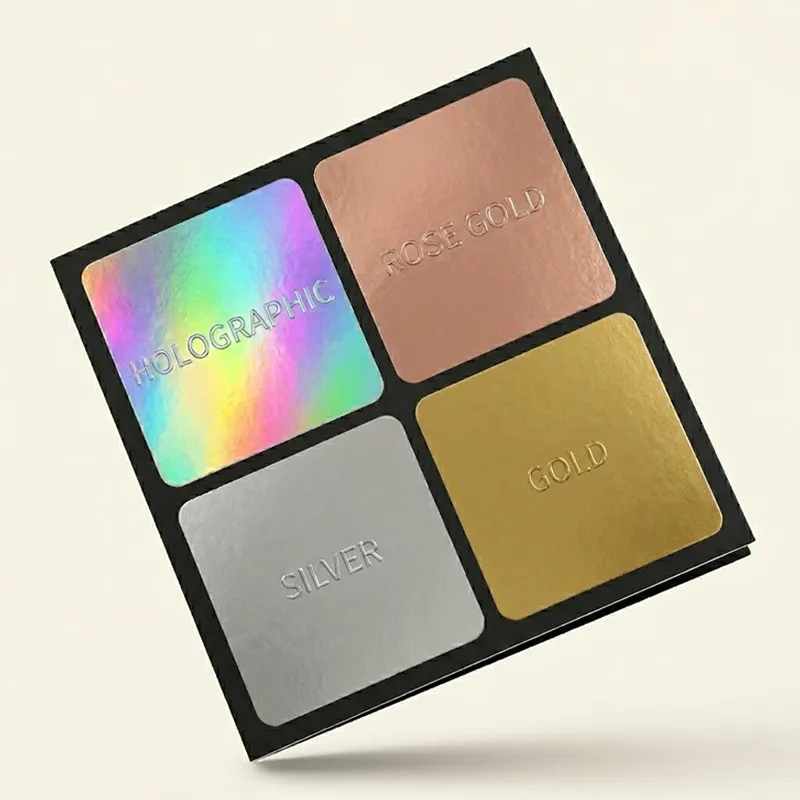
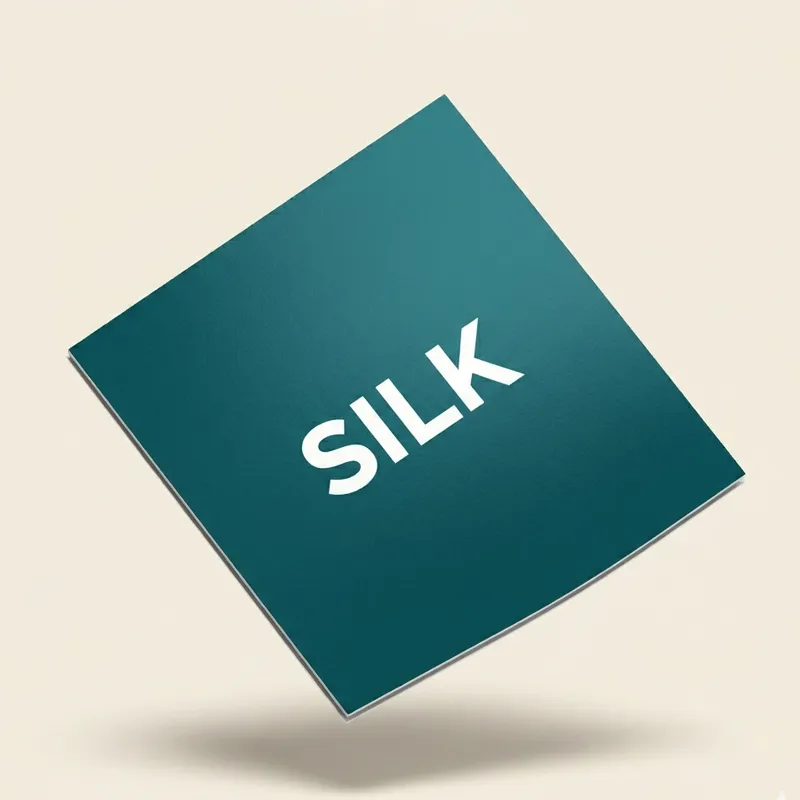
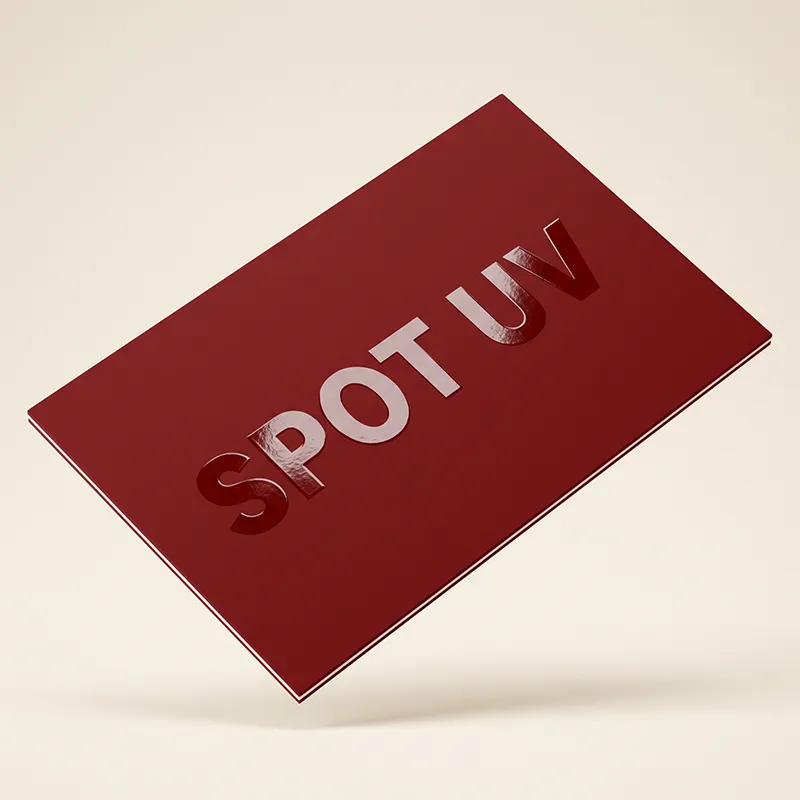
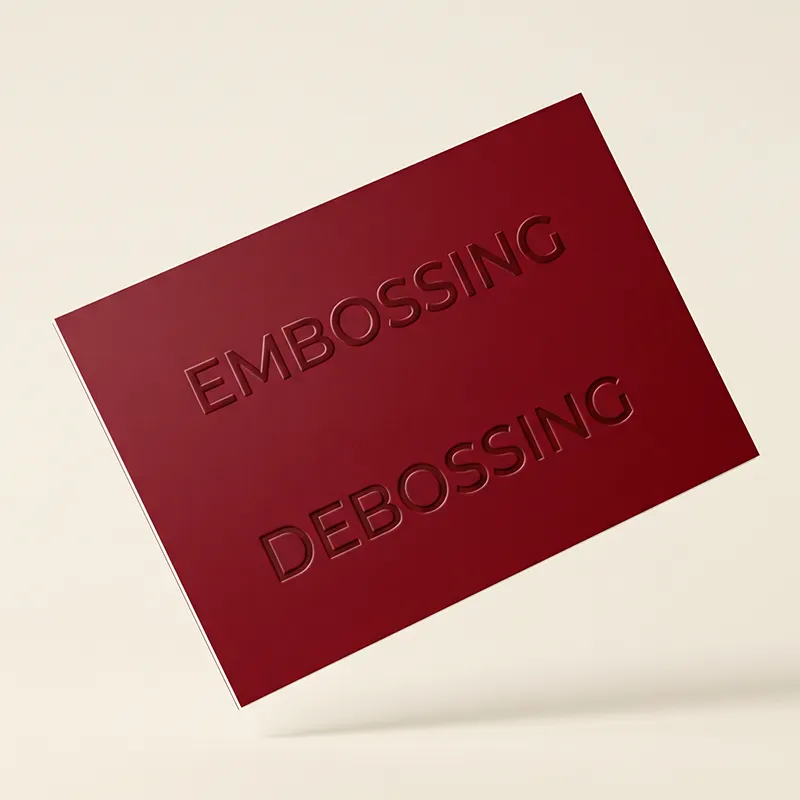
Finish is the detail customers feel, so we cover every option: soft-touch matte lamination, high-gloss lamination, silk lamination, spot UV coating, gold and silver foil stamping, embossing, debossing, and aqueous coating. Spot UV sets a glossy highlight against matte to steer the eye to your logo; soft-touch lamination gives rigid boxes a velvety surface that says premium before the box is opened. On SBS or coated art paper, foil stamping produces the crisp metallic accents that luxury cosmetic, fragrance, and gifting brands count on to back up their pricing and spark the kind of unboxing people share online.
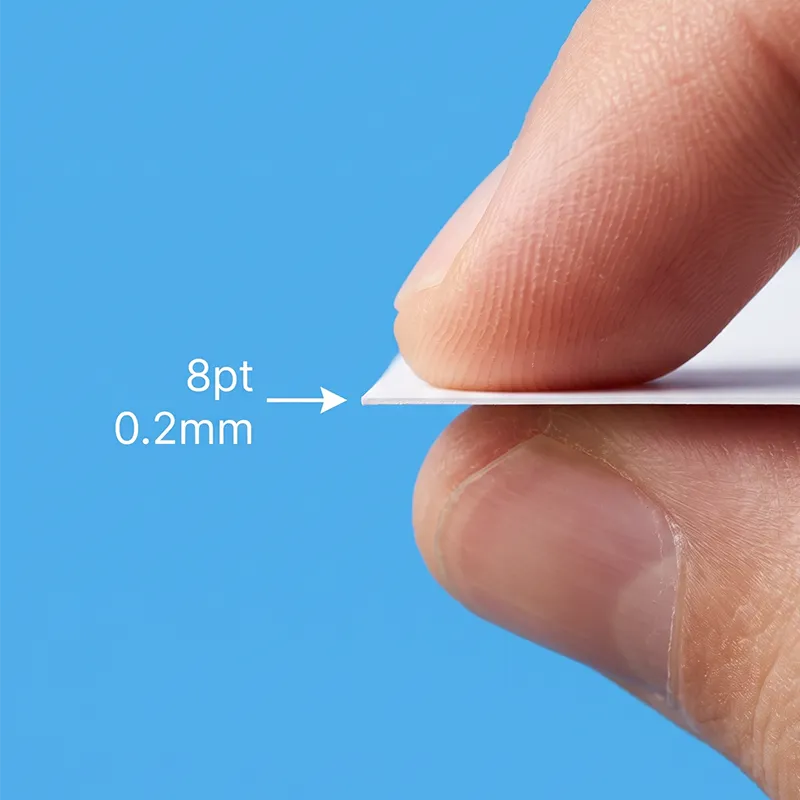
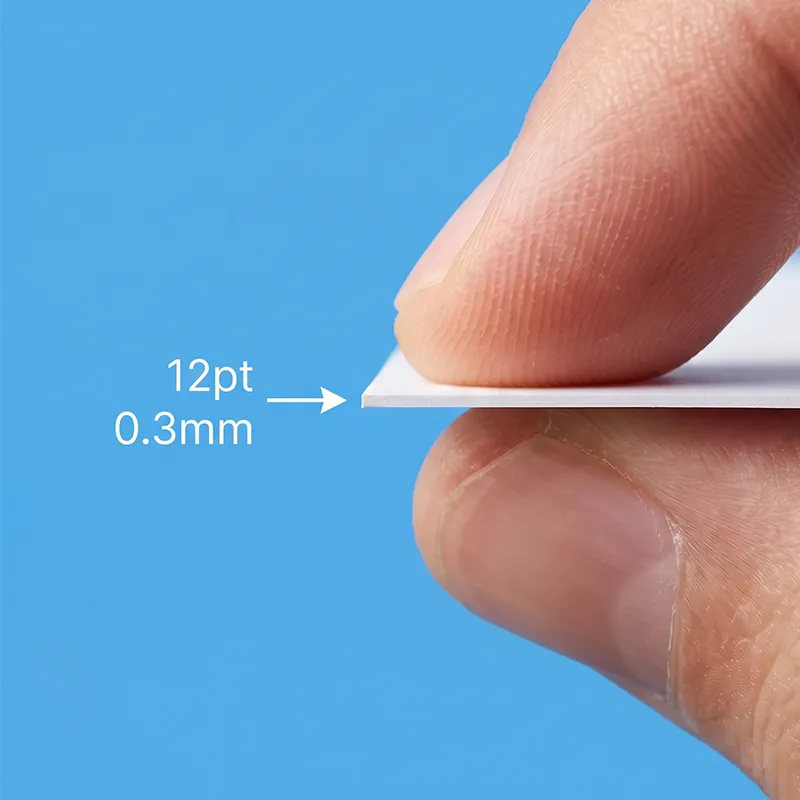
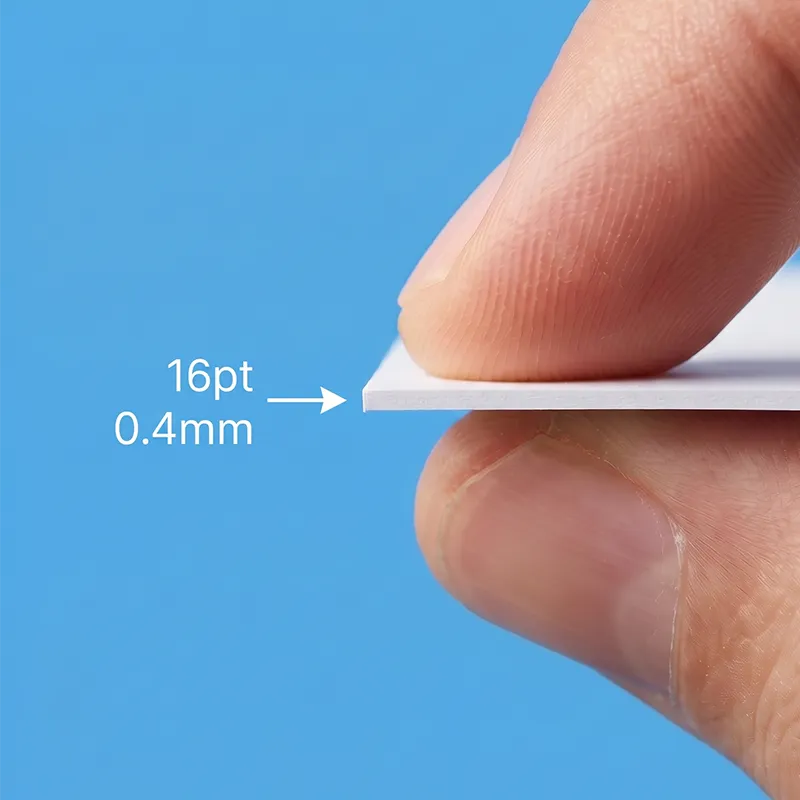
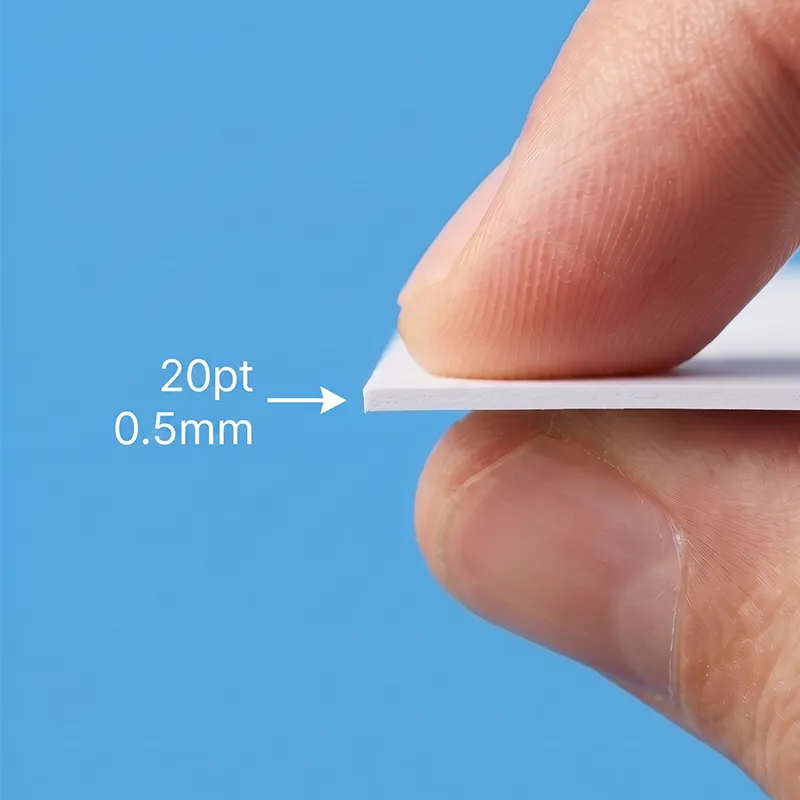
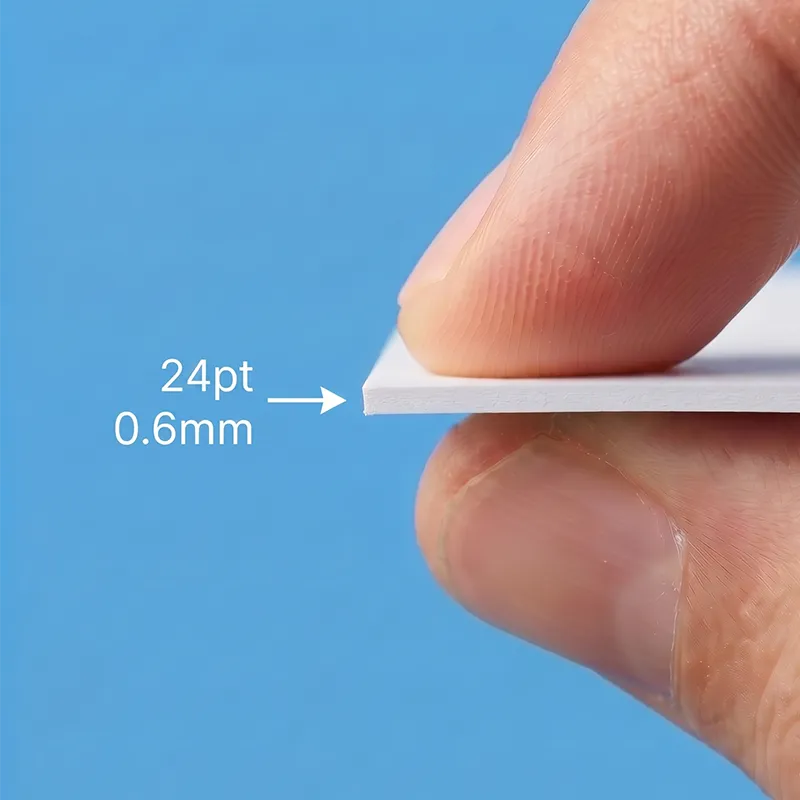
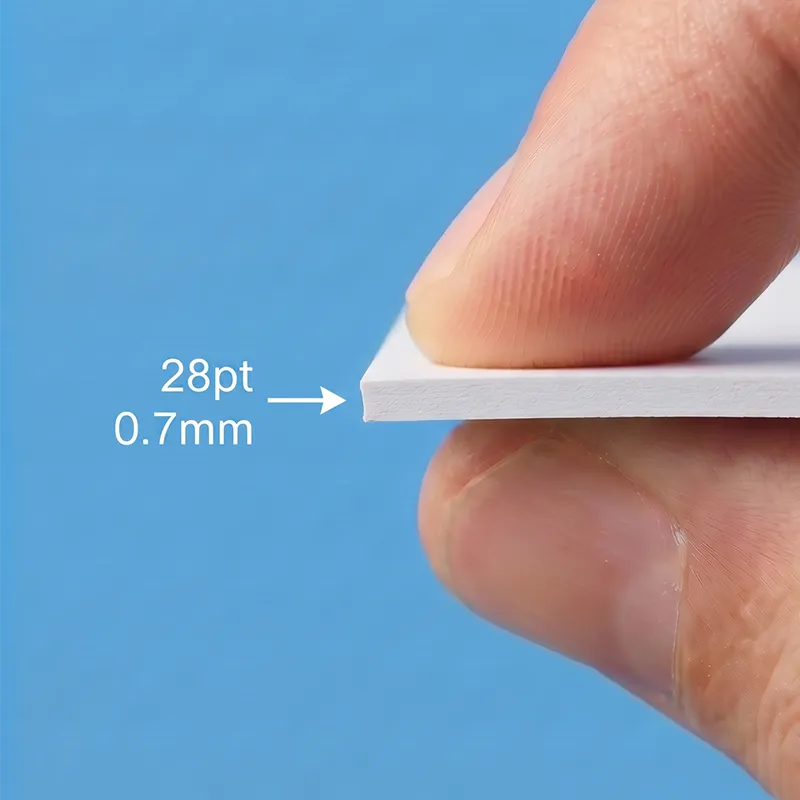
Paper weight shapes two things at once: how the box sits in the hand and how it fares in transit. We run the whole scale from lightweight 8pt to heavyweight 28pt, using the point system common to US and UK suppliers. For folding cartons and high-volume retail boxes, 8pt–12pt does the job; for most product packaging, 14pt–18pt is the dependable workhorse, strong enough to protect, light enough to keep shipping costs down. And 20pt–28pt brings the rigid, substantial feel that luxury gift boxes, rigid set-up boxes, and premium cosmetic packaging rely on, where the box's weight signals quality before the lid is lifted.
Frozen Food Boxes Built for the Freezer Aisle
Frozen food boxes have to perform where standard cartons fail, resisting the moisture, condensation and temperature swings of frozen storage while keeping food safe and the branding crisp. The right board and coating make the difference between a carton that stays sharp and one that sags on the shelf, which is why frozen packaging is a specialised discipline rather than an off-the-shelf choice.
Why Frozen Packaging Is Different
Frozen food packaging faces challenges ordinary cartons never meet. Ice crystals and condensation on the surface can wick into uncoated board, softening the walls and blurring print, while repeated freeze and thaw cycles stress the fibres. Frozen food cartons counter this with barrier coatings and moisture-resistant board so the pack stays rigid, legible and structurally sound from the production freezer through retail display to the consumer's home. A carton that goes limp in an open freezer case not only looks poor but can collapse under the weight of packs stacked above it. The right specification also keeps the carton from sticking to its neighbours as surface frost forms and melts, which protects the graphics when packs are separated at the shelf.
Moisture-Resistant Board and Coatings
The core of a good frozen carton is its coating. We use clay-coated SBS with aqueous, poly or specialised barrier coatings that repel surface moisture and prevent the board from absorbing melt water. These coatings keep the ink film intact under damp conditions and stop the seams from weakening, which is critical when cartons are stacked and jostled in a chest freezer or open case. The coating also helps the glued side seam hold fast in the cold, since adhesive bonds can become brittle at freezer temperatures if the board is not properly specified.
- Clay-coated moisture barrier
- Resists condensation and melt
- Keeps seams and walls rigid
- Protects print from wicking
Freezer-to-Oven Options
Many ready-meals are designed to be cooked in their own carton, so we offer freezer-to-oven grades that tolerate conventional oven heat within the range stated by the board supplier. These allow a consumer to move the pack directly from freezer to oven without transferring the food, adding convenience and reinforcing the product's ready-meal positioning. Cooking guidance and time-and-temperature panels print clearly on the carton face. This dual-temperature capability is a strong selling point for busy households and helps a product stand out in a crowded frozen aisle. Whether the meal is heated in a conventional oven or a microwave, the carton can be specified and labelled for the intended cooking method to avoid consumer confusion.
Food Safety and Compliance
Direct and near-direct food contact demands food-safe materials, so frozen food boxes use food-grade board, coatings and inks that meet the relevant regional standards. Products are usually wrapped or bagged inside the carton, and the board provides a clean, hygienic secondary layer. Nutrition panels, allergen callouts, barcodes and best-before coding are all accommodated in the layout. We work to the food-contact requirements of your target markets across the USA, UK and Europe, so the same specification can support a multi-region launch.
Printing and Finishing
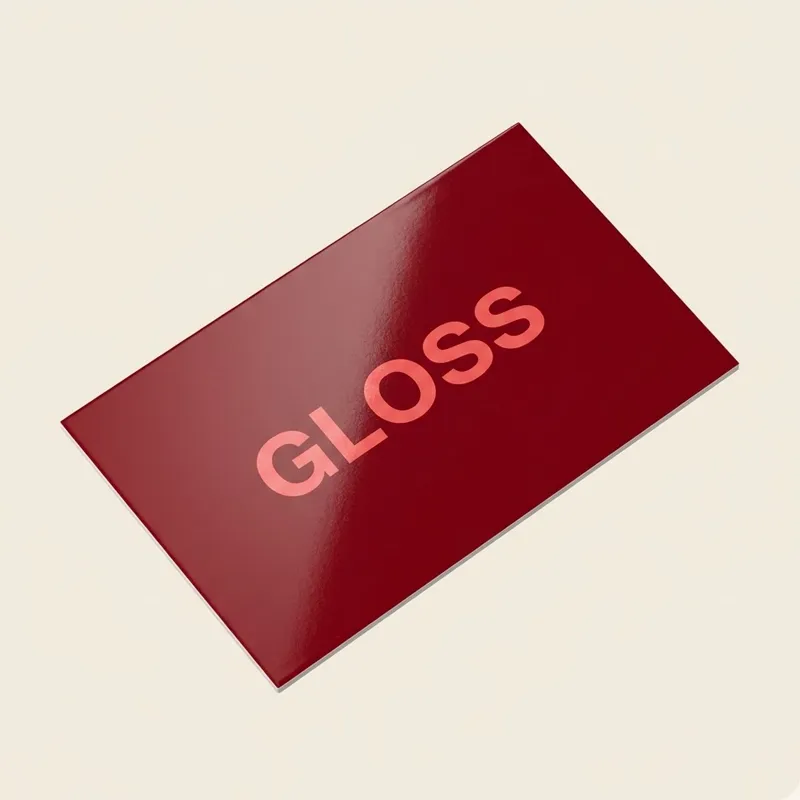
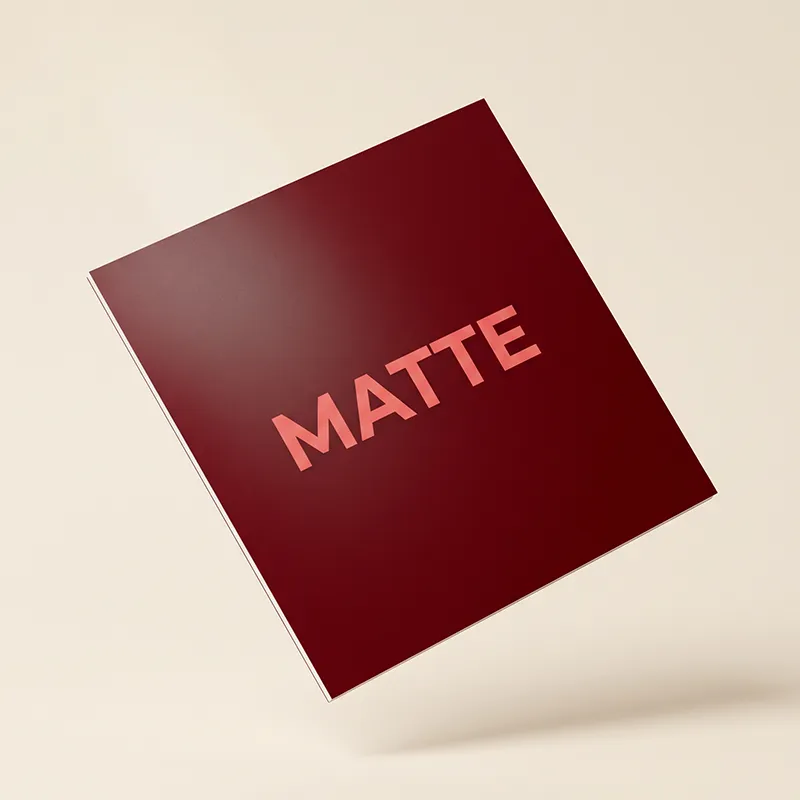
Appetising, high-impact graphics sell frozen food, so these cartons are offset printed in full CMYK with strong food photography and vibrant brand colours. A gloss coating lifts the appeal of the food imagery, while matte areas add contrast for copy. Coatings are selected to work with, not against, the moisture barrier so the finish survives frozen and chilled conditions without clouding or lifting. Bold serving suggestions and clear portion imagery help the consumer visualise the finished dish through the frosted glass of a freezer door, turning the carton into a compact billboard for the meal inside.
Sustainability and Ordering
Recyclable paperboard options, including grades using water-based barrier coatings, help brands reduce plastic and improve kerbside recyclability compared with plastic trays and film. The cartons ship flat, saving freezer-warehouse space until set-up, and a paperboard-led pack supports the wider industry shift away from single-use plastic. Packlic produces frozen food boxes from a minimum of 100 units with a free 3D mockup, wholesale pricing and fast turnaround.
Order frozen food boxes wholesale from 100 units with a free 3D mockup, fast turnaround and flat-packed delivery on food-safe, moisture-resistant coated board.
Trusted worldwide
The brands that refuse to blend in.

SORLET


SUPERKEEN


KINE CBD
Why brands choose Packlic
Packaging that makes customers remember your brand
600+ custom products across 50+ categories, fully customisable, with free design support on every order.
3D Design Services
High-Volume Printing
24/7 Support
1,000+ Brands Served
Price Match Guarantee
ISO 9001 Certified
FAQs
01 What board is used for frozen food cartons?
They are built on clay-coated SBS with aqueous, poly or barrier coatings that resist condensation and melt water so the carton stays rigid and legible in the freezer.
02 Are frozen food boxes moisture resistant?
Yes, the barrier coating repels surface moisture and stops the board absorbing melt water, which keeps the walls firm and the print sharp through freeze-thaw cycles.
03 Can frozen food cartons go in the oven?
We offer freezer-to-oven grades that tolerate conventional oven heat within the board supplier's stated range, letting consumers cook the meal in its own carton.
04 Are these cartons food safe?
Yes, they use food-grade board, coatings and inks that meet the relevant regional food-contact standards, with product usually wrapped or bagged inside.
05 Why not use ordinary folding cartons for frozen food?
Uncoated board wicks up condensation and softens in the freezer, so frozen lines need moisture-resistant coated board to keep their shape and graphics.
06 What is the minimum order quantity?
Packlic produces frozen food boxes from just 100 units at wholesale pricing with a free 3D mockup before production.